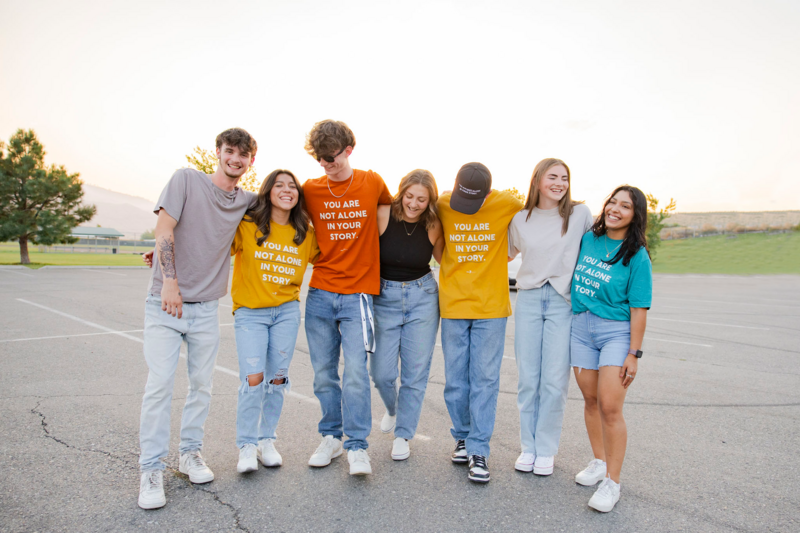


What if social media wasn’t the problem—but part of the solution for youth connection and wellbeing?
WHAT WE KNOW ABOUT YOUTH ENGAGEMENT WITH SOCIAL MEDIA:
- Social media is a central part of young people’s lives. Nearly all teens use these platforms daily, with approximately one in five saying they’re online “almost constantly” (Pew Research Center, 2023).
- We often hear about the downsides of social media—but for many young people, these platforms are more than entertainment. Over half say online spaces help them feel like they belong and can safely express themselves (Common Sense Media, 2025 & 2018).
- Research on digital wellness shows that it’s not simply about how much time youth spend online, but how they engage that matters most. Youth who approach social media intentionally—setting boundaries, curating their feeds, and using platforms to learn or connect around positive topics—report higher wellbeing and decreased loneliness (Common Sense Media, 2018).
- Knowing that social media can positively impact youth, we should ask ourselves: how do we support youth in using these platforms safely, so they can take control of their digital lives?
As a neuroscientist and WHO Fides member, I’ve been exploring this topic by facilitating global focus groups with youth. Insights from these conversations informed the Stories, Science & Strategies (SSS) Framework™, an evidence-based model that empowers young people to safely consume and create health content (Grill et al., 2025).
Mental health content, in particular, is among the most widely searched content on social media. Much of this content contains misinformation (Hall & Keenan, 2025); however, when shared thoughtfully, it can help young people feel seen and understood, reminding them that they are not alone in their experiences.
From my research, I identified several key findings about youth engagement with mental health content (Grill et al., 2025):
- Youth are actively searching for guidance on how to safely use social media – but feel they aren’t getting this from schools.
- Youth enjoy peer-to-peer content about lived experience—it helps them feel less alone—but they also recognize that credible health information should come from professionals. Many say they want more “doctor creators” and less influencers.
- Problems don’t come from having access to social media. They arise when youth aren’t given formal education or support in navigating social media. This needs to change.
Social media isn’t going away. But it can be used for good—especially when we co-design safeguards with youth.
TLDR;
When youth take control of their digital lives, they can transform social media from a source of stress into a source of strength. It’s up to us to help them get there by creating safeguards that empower young people to safely consume and create health content.
CALL TO ACTION FOR YOUTH:
- Curate your feed: follow people and pages that make you feel inspired, not inadequate.
- Share stories that matter to you: your voice helps others feel less alone—but remember, it’s also okay to keep things private.
- Vet health content: look for creators who are verified health professionals and who cite quality scientific sources.
CALL TO ACTION FOR CAREGIVERS:
- Reframe: talk about social media as a skill to be learned, not a danger to be feared. Check out this tip-sheet from the American Academy of Pediatrics.
- Model mindful use: share how you manage notifications or set screen limits.
- Encourage youth-led digital projects: work with young people in your life to co-build safeguards and best practices so they can use social media for good.
DOWNLOAD THE ARTICLE VIA PDF: HERE
This article was authored by Dr. Katherine Grill in collaboration with Only7Seconds. Dr. Katherine Grill currently serves as a member on Only7Seconds’ Scientific Advisory Board.
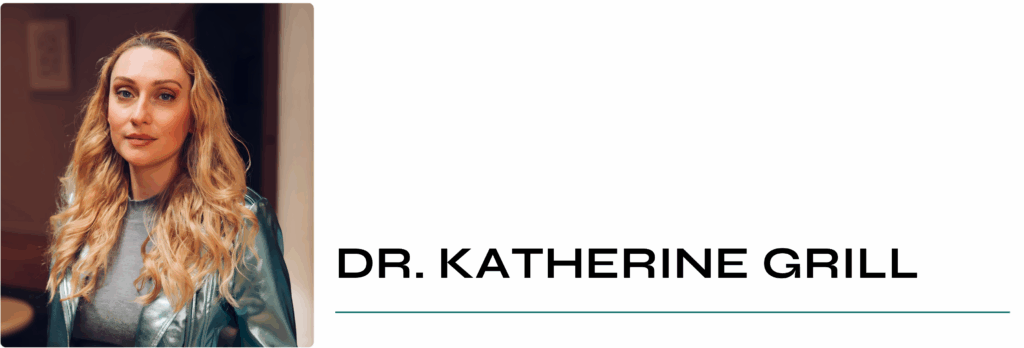
Dr. Katherine Grill is an internationally recognized leader in youth mental health and social impact, with over 25 awards for her work in entrepreneurship and innovation. During her tenure as CEO of Neolth, she made profound and lasting contributions to mental health technology, transforming the way youth engage with mental health resources. In 2024, she created the Stories, Science & Strategies™ framework, which earned her invitations to serve at Loyola University Chicago, UCLA’s Center for Scholars & Storytellers, WHO Fides, and the New Mexico Department of Health. By leveraging her evidence-based framework, Dr. Grill creates impactful mental health content and programming that combine personal storytelling, scientific education, and advocacy to reach a global audience.
Get Connected: website | linkedin | youtube
View comments
+ Leave a comment